
Ethical Animal Tourism: How to Travel with Compassion
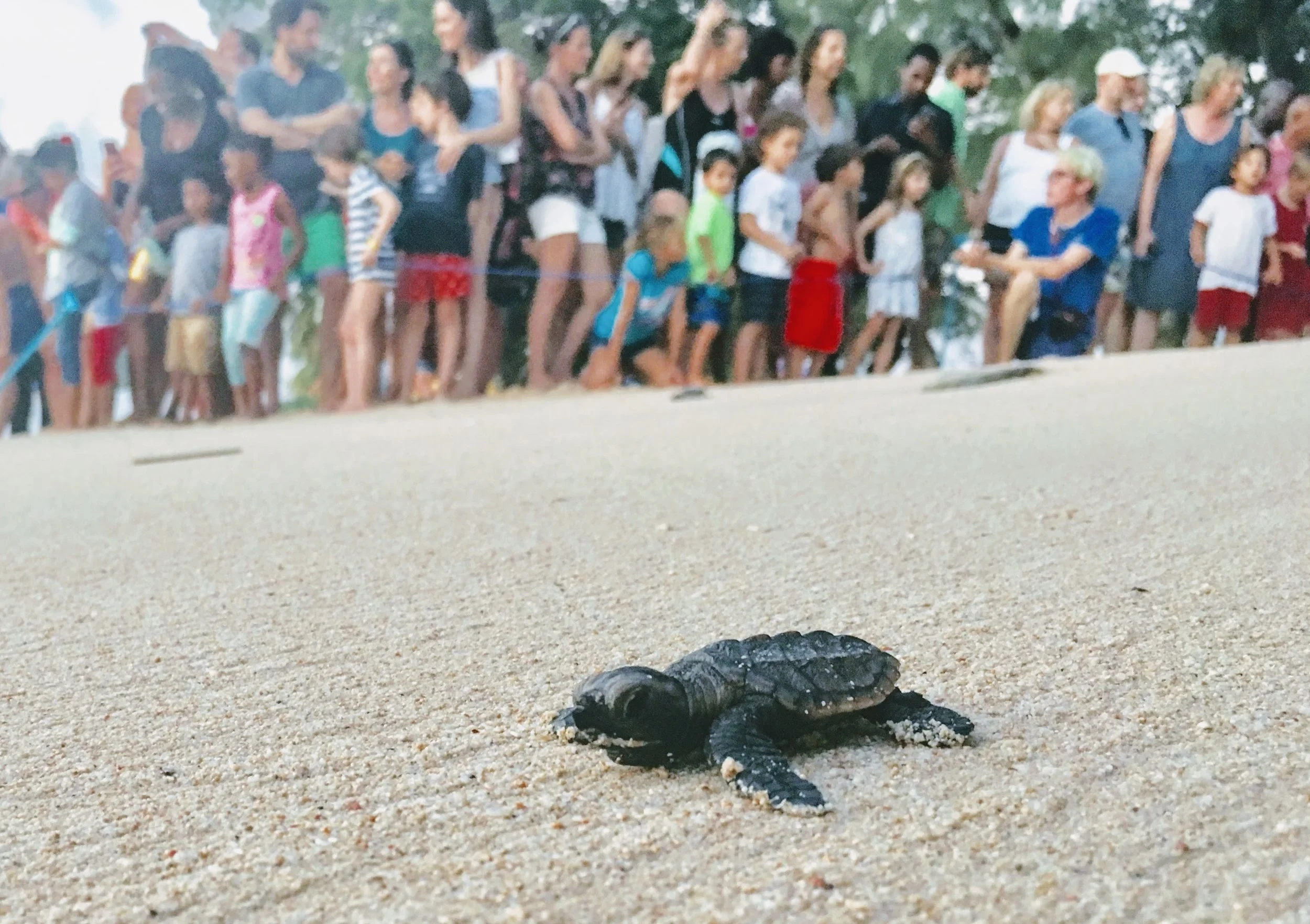
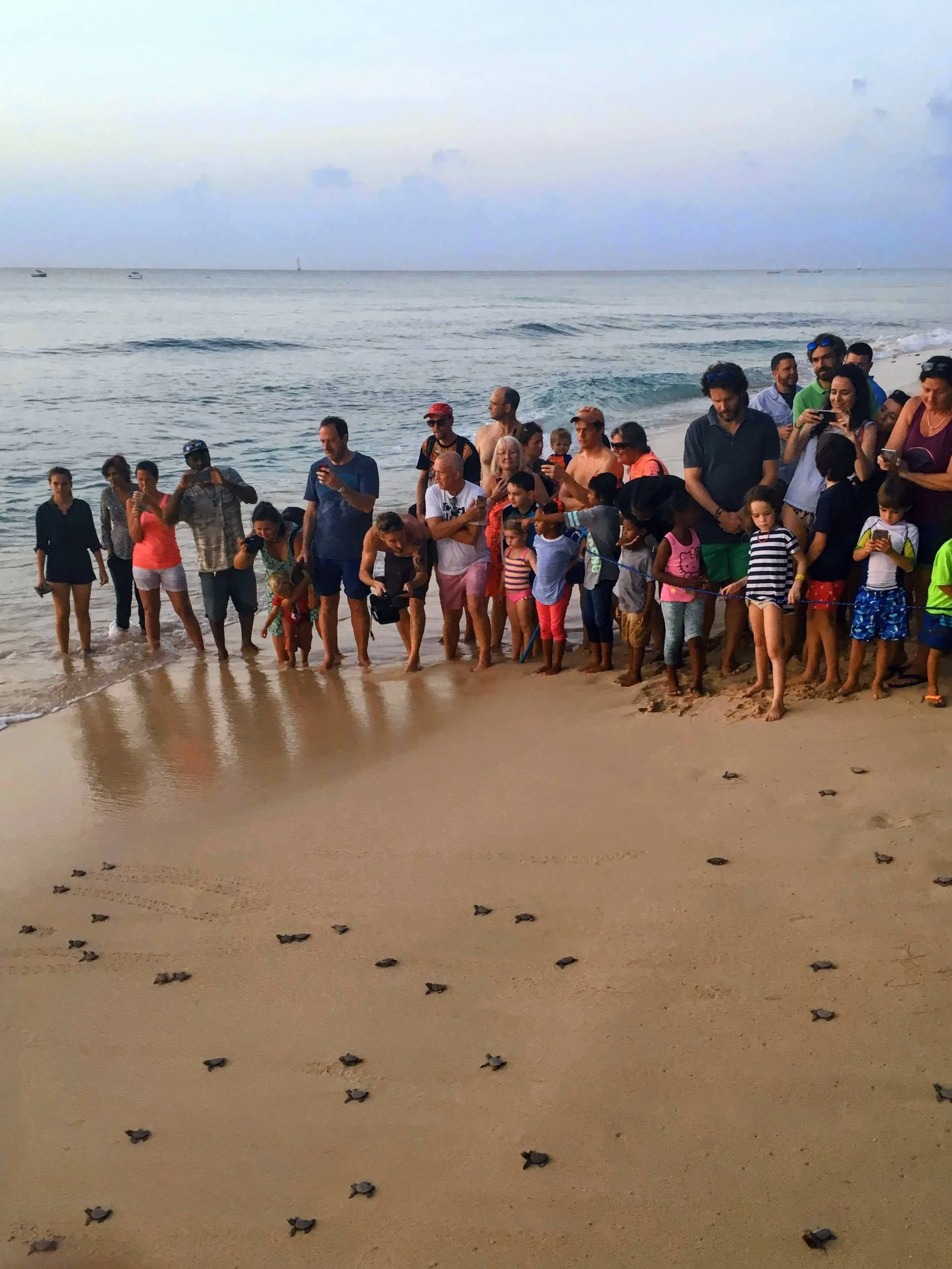
A baby sea turtle begins its journey to the ocean during a Barbados Sea Turtle Project release — a powerful example of responsible and educational wildlife tourism.
Ethical Animal Tourism: How to Travel with Compassion
Many of us adore wild animals, yet without realising it, we may be contributing to their exploitation through tourism. Animal abuse occurs in every country, and the rise of animal-based attractions in the travel industry has made it easier than ever to unintentionally support cruelty. Awareness is the first step toward change — and each of us can help end harmful practices by making better choices when we travel.
Animal tourism is a vast topic, but I’ll share what I’ve learned — including my own mistakes — along with trusted resources to help you decide whether to visit or support animal-related experiences on your next trip. By raising awareness and supporting ethical encounters, we can help protect wildlife around the world.
Learning from My Own Mistakes
When I first read National Geographic’s report “Suffering Unseen: The Dark Truth Behind Wildlife Tourism,” I cried. The scale of cruelty described was heartbreaking — elephants beaten into submission, dolphins confined to tiny tanks, sloths ripped from trees for selfies.
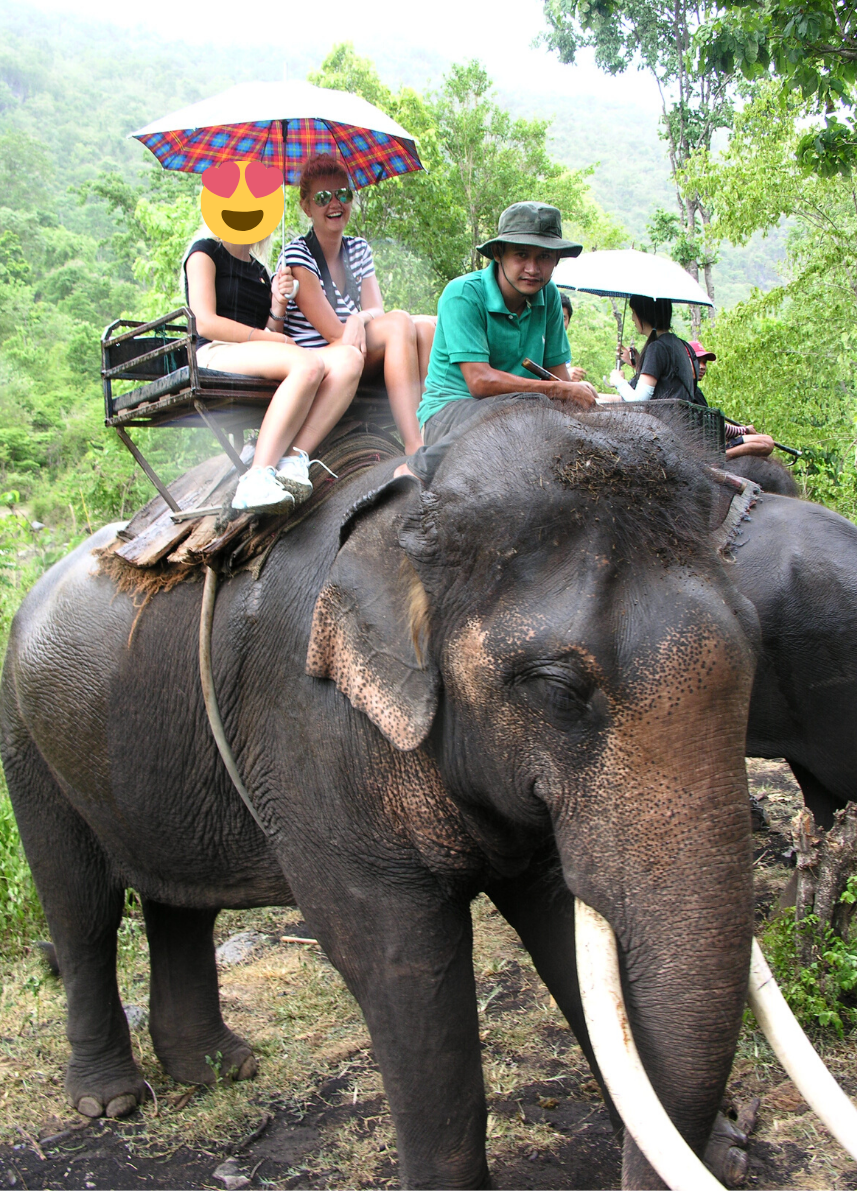
I’m not here to shame anyone. I’ve made these mistakes myself. In 2010, while backpacking through Southeast Asia, I rode an elephant. At the time, I didn’t realise I was supporting one of the most brutal forms of animal exploitation, where elephants endure a process known as “the crush.” Learning this truth was painful — but it made me determined to never repeat it.
The Perfect Selfie Problem
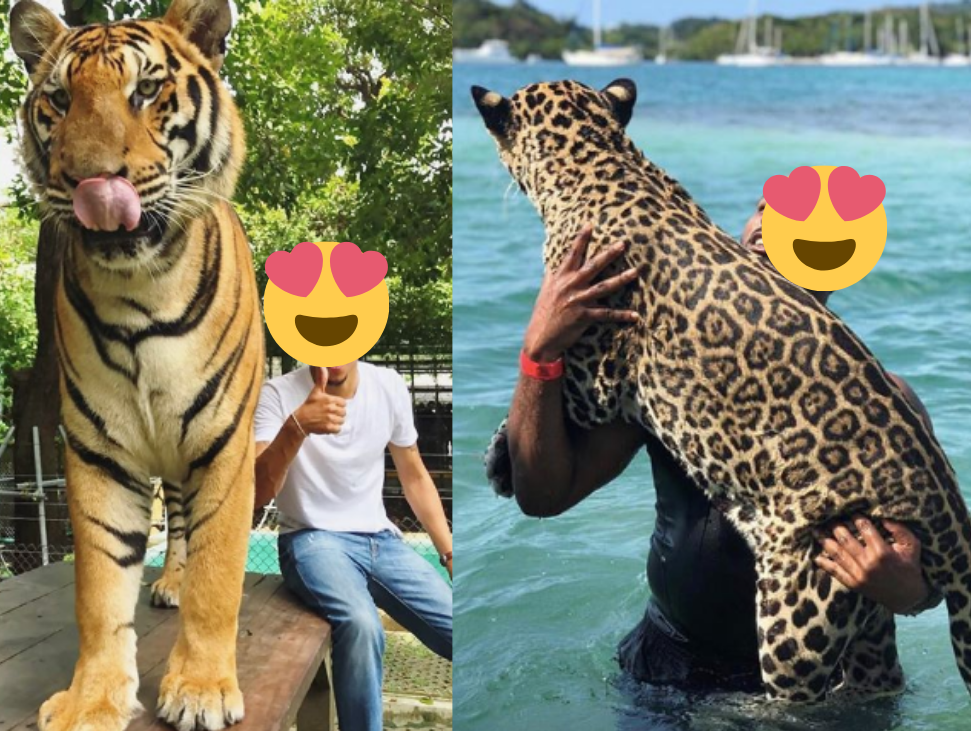
Social media has intensified the issue. Among the billions of images shared online, thousands show tourists posing with wild animals. These photos might capture a moment of joy, but the suffering behind the scenes rarely makes it into the frame.
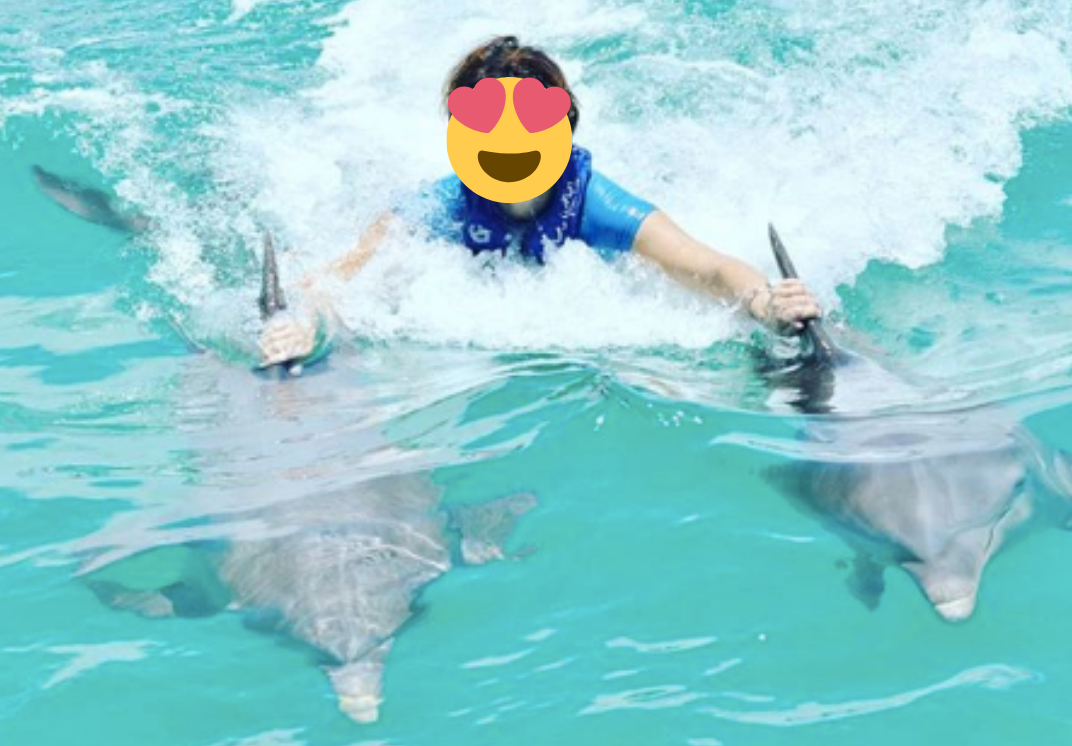
Even so-called “ethical” sanctuaries often disguise exploitation under the banner of conservation — offering “hands-on” experiences like swimming with dolphins or bathing elephants. Remember: if an animal is performing, posing, or being handled, it’s not natural behaviour. [Source]
Animal Encounters to Avoid
Swimming with dolphins in aquariums or “dolphin parks”
Visiting zoos or parks that confine animals without rehabilitation plans
Animal performances such as circuses
Riding elephants, camels, or donkeys
Horse-drawn carriages
Dog sledding
Hugging sloths or other wildlife
Touching starfish and rays (the oils in our skin harm them)
Shark cage diving (try scuba diving with sharks instead)
Feeding wild animals — including Barbados green monkeys and sea turtles
See the ABTA guidelines for a full list of animal encounters to avoid.
Ethical Animal Experiences to Support
Legitimate, accredited sanctuaries listed by the Sanctuary Federation
Wildlife safaris and treks observing animals in their natural habitats
Whale and dolphin watching (from a respectful distance)
Scuba diving and freediving — without touching or feeding marine life
Support accommodations and businesses that partner with wildlife advocacy groups and mitigate their environmental impact. In Barbados, for example, several hotels use sea-turtle-friendly lighting and support the Barbados Sea Turtle Project. You can also attend managed turtle hatchling releases with the Barbados Sea Turtle Project (They announce the release event on their social media profiles a couple of days in advance!)
How You Can Help
Support animal conservation and animal rights groups in your country and the countries which you visit. In Barbados that includes Barbados RSPCA, ROAR (Respect our Animal Regulations), HORSE Charity Barbados and Barbados Sea Turtle Project.
Avoid any entertainment involving animals. If an animal is doing something it wouldn’t naturally do in the wild, cruelty is likely involved.
Take photos from a respectful distance — never handle or pose with wild animals.
Research sanctuaries and rehabilitation centres before visiting. Use the Sanctuary Federation directory or read PETA’s guide: “How to Tell if a Place Is a REAL Animal Sanctuary.”
Flag unethical attractions on TripAdvisor. You can read its Animal Welfare Policy here.
Follow the Coalition for Ethical Wildlife Tourism and Responsible Travel for guidance on responsible wildlife tourism
The Five Freedoms – Best Practice Standards for Animals in Tourism
The ABTA – The Travel Association applied these The Five Freedoms to tourism in the Global Welfare Guidance for Animals in Tourism.
The ABTA Global Welfare Guidance for Animals in Tourism state that animals must enjoy the following basic freedoms:
Good Feeding – Freedom from prolonged hunger or thirst.
Good Housing – Comfortable space, suitable temperature, and freedom of movement.
Good Health – Freedom from injury, pain, or disease.
Freedom of Expression – Ability to behave naturally and maintain positive relationships.
Protection from Fear – Freedom from distress, fear, and unnecessary procedures.
These principles can guide travellers in choosing experiences that prioritise animal welfare over entertainment.
A Final Thought
I feel strongly about using my platform to raise awareness of ethical tourism and animal welfare. It’s not about guilt — it’s about growth. Many of us have made choices we now regret, but we can all choose differently going forward.
A simple rule to remember: “If you can hug it, or have a selfie taken with it, there’s a good chance that animal has suffered for it.” – World Animal Protection
Have you experienced an ethical animal encounter? I’d love to hear your story in the comments below.